Sowing calendars that match your climate
Temperate and subtropical timelines sit side by side, so you can shift a task instead of guessing. Balcony wind, reflected heat, and container size are treated as real variables, not footnotes.
This is where the magazine's writing collects over time: seasonal growing profiles, sowing calendars written for temperate and subtropical climates, pruning notes, substrate and drip irrigation advice, and natural pest control with garlic, potassium soap, and neem oil. Alongside those you will find pieces on rest-focused gardens in care homes and schools, conversations with local plant nurseries, and infusion recipes built around chamomile, mint, and lavender. Our editors work with agronomists and landscape designers, and their answers to reader questions about clay soils, drainage in containers, and indoor light appear here as well. A Spanish-language version of each edition is available for Spanish-speaking readers, and the weekly newsletter carries the month's sowing calendar with concrete tasks for your own climate.
Questions that come in from readers usually concern something specific: a clay-heavy bed that stays wet too long, a balcony that only gets morning sun, a container that drains poorly, or a pest you cannot quite identify. Those are the ones the editorial team passes on to the agronomists and landscape designers who work with the magazine. If your question is about an article you read here, mention the title so it can be matched to the right person.
There is no account to create and nothing to upload. Write to the address below or call during the week, and describe your climate, the type of soil or container you are working with, and what you have already tried. That context is what makes a useful answer possible.
Best for detailed questions about soil, drainage, indoor light, or a growing profile you want clarified.
info@healinghomeandgarden.comFor short questions where writing it all out would take longer than explaining it.
+54 9 11 0565 9191José Hernández, Bahía Blanca, Buenos Aires, B8003APV, Argentina
The archive is not a pile of loose articles. Each entry follows the same working logic: what to do this month, why it matters in your climate, and how to tell whether it worked. Below are the threads that run through the posts you will find here.
Temperate and subtropical timelines sit side by side, so you can shift a task instead of guessing. Balcony wind, reflected heat, and container size are treated as real variables, not footnotes.
Chamomile, mint, lavender, and other herbs used at home get practical profiles: light needs, substrate, pruning rhythm, and the point where a container stops being enough.
Garlic spray, potassium soap, and neem oil are compared honestly, including when each one is the wrong tool. Application timing and pollinator safety are covered before the recipe.
Home composting on a patio, drainage in pots, and drip irrigation setups that survive a hot week. Written for people without a garden bed, not for people with a field.
Agronomists and landscape designers take on the recurring problems: clay that cracks, pots that stay wet, indoor corners with weak light. Answers stay specific rather than general.
Reports from care homes and schools, plus interviews with local plant nurseries. A Spanish-language version is available for Spanish-speaking readers.
If you want the reasoning behind these choices, the approach page explains how the editorial team works, and the use cases page shows how readers apply the same material on balconies, patios, and shared courtyards.
The archive shows what the magazine covers each season, but some problems are specific to your ground, your balcony, or the light in one particular room. Clay that stays wet for days, a container that never drains properly, herbs that stretch thin on a north-facing windowsill: these are the questions our agronomists and landscape designers take on directly. If a piece in the index leaves you unsure how to apply it at home, write it down and send it over. One clear question about your own soil, climate, or growing space is easier to answer well than a general request for advice.
Not sure where to start? The use cases walk through common growing situations, and the approach page explains how the editorial team works with readers.
Next step
Send your question about soil, drainage, or indoor light. The editorial team reads every message.
Ask the editorial teamThe pieces below follow the magazine's regular threads: soil that behaves badly, calendars that only work when they match your weather, and pest preparations that get blamed for the wrong job. Each entry links to the full article, where the agronomists and landscape designers who work with us explain the reasoning step by step.
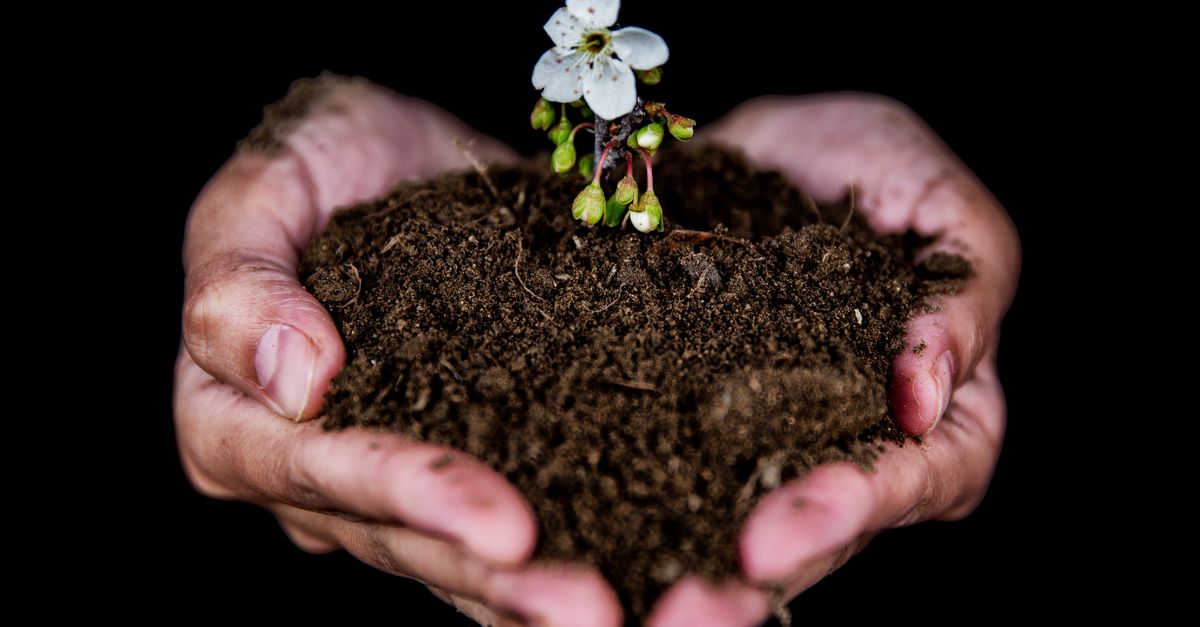
Clay soil is not a problem to fix in one weekend. It is a structure you learn to read: how it crumbles in the hand, how long water sits after rain, how it cracks when it dries. Once you know those signals, you can decide between raised beds, deep mulch, or a slow amendment plan with compost and grit. The article walks through a simple field test, the plants that tolerate heavy ground, and the mistakes that make clay worse, such as tilling it wet or adding sand without organic matter.
Read the article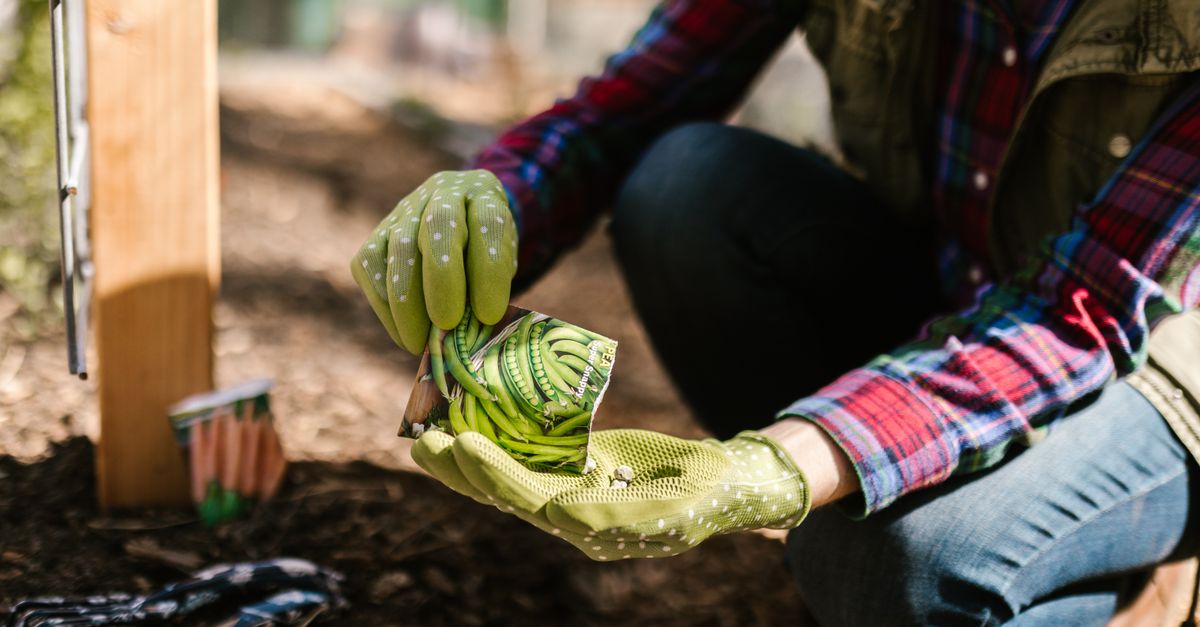
A planting calendar is only useful if it matches your local weather, not a book written for another latitude. The piece compares temperate and subtropical timelines side by side: when to start aromatic herbs indoors, when to move them out, how summer heat changes watering and shade needs, and how a mild winter opens a second growing window. It also covers how to adjust for microclimates on balconies and patios, where wind, reflected heat, and container size can move a sowing date by weeks.
Read the article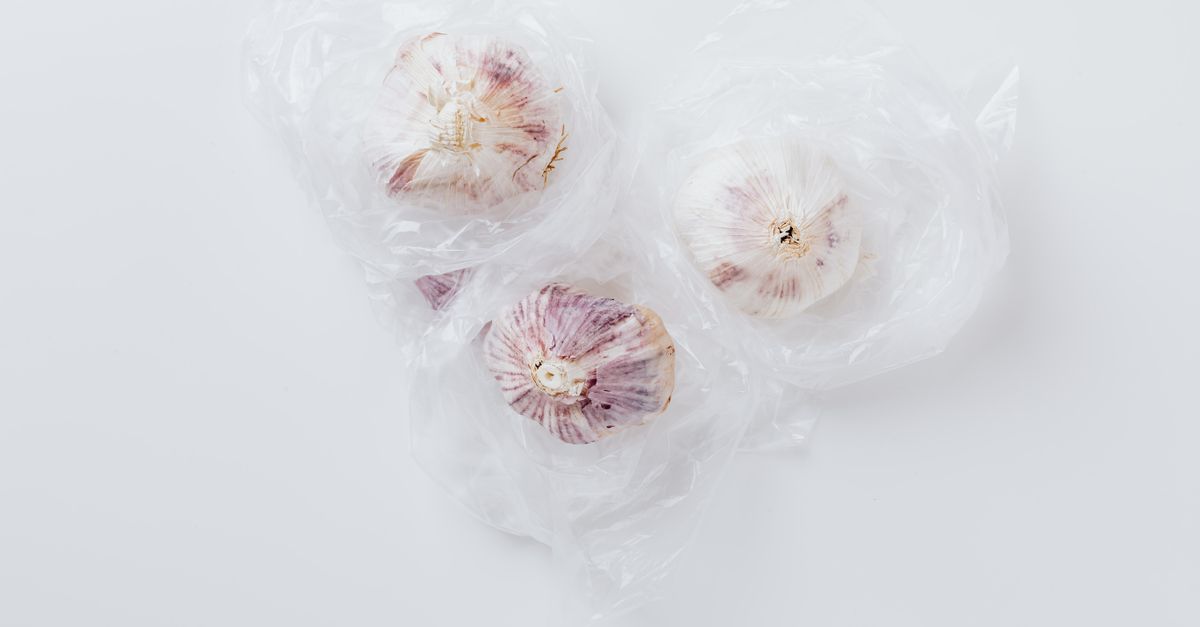
These three preparations are often treated as interchangeable, and they are not. Garlic spray works mainly as a repellent and loses strength quickly. Potassium soap needs direct contact with soft-bodied insects and can burn leaves in strong sun. Neem oil interferes with feeding and reproduction but breaks down fast and should not be used near pollinators. The article explains how to prepare each one, when to apply it, and how to avoid the common mistake of spraying everything at once and getting no result.
Read the article