Where the growing advice actually lands

A balcony that gets morning sun and afternoon shade, a patio corner with room for a compost bin, a windowsill where light is thin, a shared garden at a care home or school. This page follows the magazine's guidance into those everyday spots, so you can see which plants and routines fit the space you already have.

From there, each situation connects to the seasonal profiles, sowing calendars, and natural pest control methods covered in the editions, with the agronomists and landscape designers on our team answering the recurring reader questions about clay soils, drainage in containers, and indoor light.

Pick the situation that looks like yours, then start with one task

Most readers arrive with a specific corner in mind: a balcony that gets morning sun and afternoon shade, a patio where a compact compost bin could sit next to a few aromatic pots, or a windowsill that never quite gets enough light for tender herbs. The magazine maps its seasonal profiles and sowing calendars onto those exact situations, so you are not adapting advice written for open ground.

If you are unsure where to begin, the approach pages explain how the editorial team works with agronomists and landscape designers on reader questions about clay soils, drainage in containers, and indoor light. That is the same method behind every scenario here.

Before you write

  • Name your climate, even roughly: temperate, subtropical, or somewhere in between.
  • Describe the spot: balcony, patio, windowsill, shared garden.
  • Mention what you already tried, so the answer starts from there.

Prefer email? Write to info@healinghomeandgarden.com

What changes when the advice fits your actual space

Most growing guides assume a garden bed and a long season. On this page we map the magazine's guidance onto the situations readers actually write to us about: a balcony that loses the sun by noon, a paved patio corner, a windowsill with weak winter light, and shared garden plots in care homes and schools. Each point below names the situation, what the editorial team suggests, and what you can reasonably expect from it.

Balconies with split sun

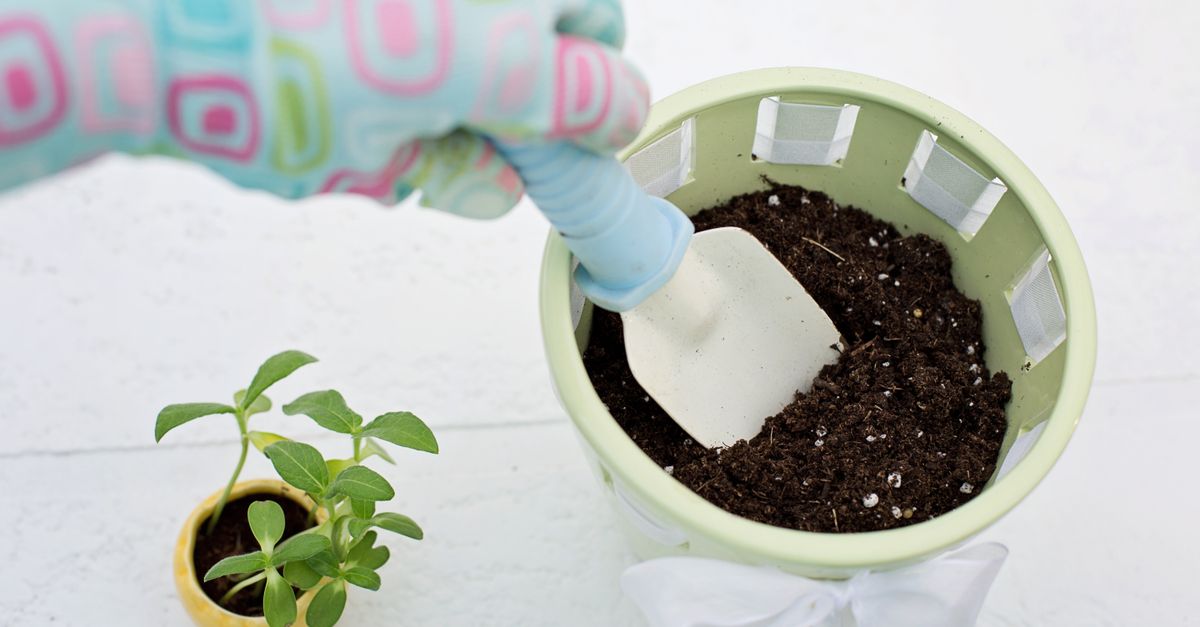
Morning light and afternoon shade suit mint, chamomile, and lavender better than full-sun herbs. Containers need a drainage layer and a substrate that does not stay wet through the night, or roots rot before the plants ever establish.
Patio corners that stay warm

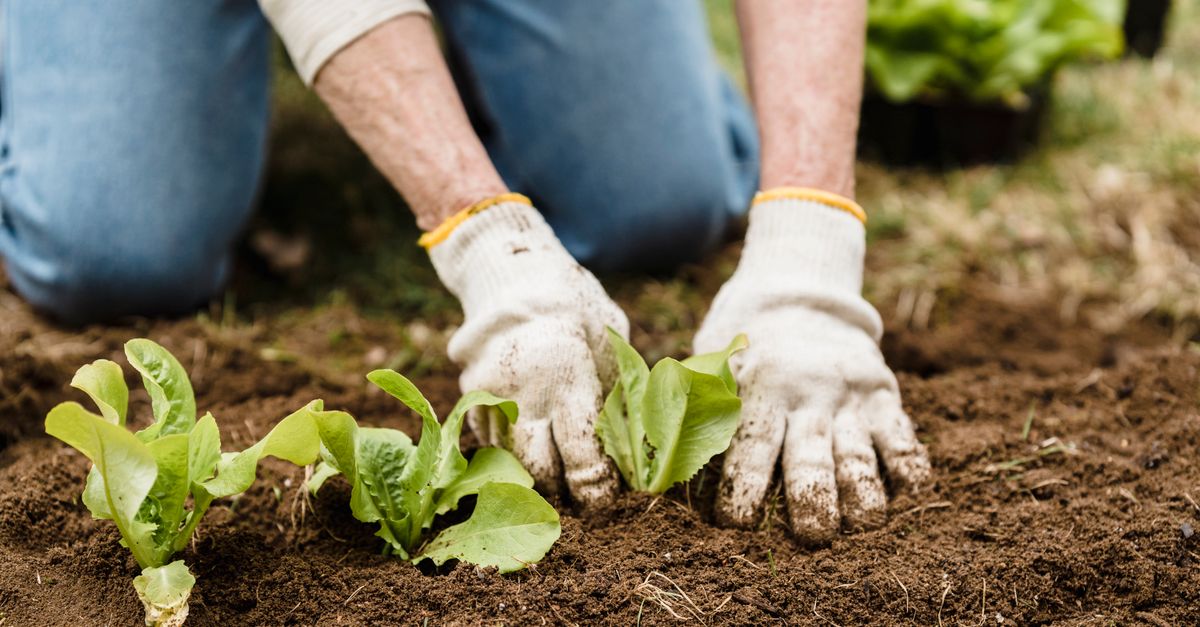
Paved patios hold heat and reflect it back at night. That shortens watering intervals and pushes some sowings earlier than a ground bed would allow. A compact compost bin fits here too, if you keep it shaded and turn it often.

Indoor windowsills in low light

Tender herbs stretch toward a window and lose flavor when light is thin. Our agronomists answer reader questions about indoor light, so you can tell whether a spot is workable or whether the plant belongs outside for part of the year.

Heavy clay under the surface

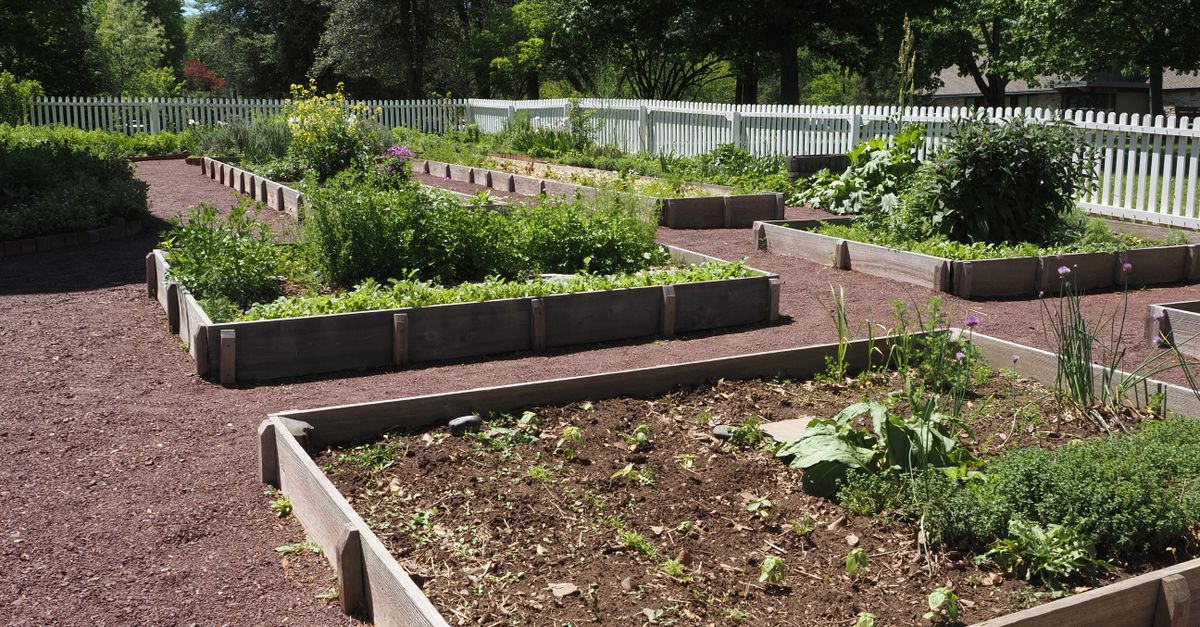
Clay holds nutrients but drains slowly and compacts when worked wet. Reading it before planting decides whether you build raised beds, mulch deeply, or amend gradually with compost and grit over several seasons.

Rest-focused garden routines

Care homes and schools use aromatic plants to anchor a daily routine: watering, pruning, and harvesting become a calm, repeatable task. The magazine covers how these plots are set up and what plants hold up to frequent handling.

Pests handled without guesswork

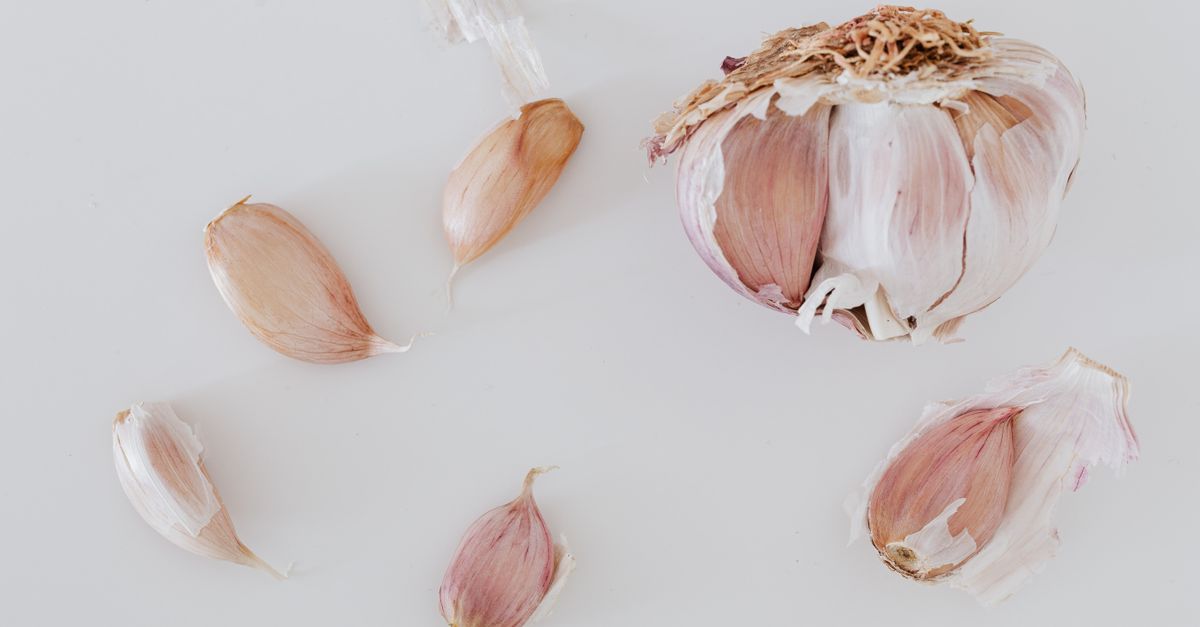
Garlic spray, potassium soap, and neem oil each work differently and on different pests. Knowing which one fits the problem saves a season of spraying everything and wondering why nothing changed.

If you want the reasoning behind these recommendations, the approach page explains how the editorial team works with agronomists and landscape designers, and the about page covers who writes and reviews the seasonal material.

Where the advice actually lands

A balcony that only gets morning light, a patio corner with a compost bin, a windowsill in a rented flat, a school courtyard planting lavender. These are the situations the magazine writes for, and each one asks for different choices about containers, drainage, and timing.

Healing Home & Garden: use cases

Balcony with morning sun

Mint, chamomile, and lavender handle a half-day of light well when the pots drain freely. A layer of coarse material at the base and a saucer you empty after rain matter more than the pot size.

Healing Home & Garden: use cases

Patio corner with a compost bin

A compact bin fits beside a few aromatic pots. Kitchen scraps, dry leaves, and turning keep it working without smell, and the finished compost feeds the containers a few steps away.

Healing Home & Garden: use cases

Indoor windowsill with limited light

Tender herbs stretch toward a single window. Rotating the pots, choosing a south-facing sill, and reading the leaves for pale growth tells you whether the spot is workable or needs a small lamp.

Healing Home & Garden: use cases

Shared care settings

Care homes and schools use aromatic plants to anchor a daily routine: watering in the morning, pruning on a set day, harvesting lavender for sachets. The magazine's rest-focused garden sections describe how these plots are set up so residents and students can take part without heavy lifting, and how the agronomists answer reader questions about clay soils, container drainage, and indoor light.

Healing Home & Garden: use cases

From scenario to next task

Each situation links back to the seasonal growing profiles, the sowing calendar for your climate, and the natural pest control notes on garlic, potassium soap, and neem oil. You start with the space you have, then pick the tasks that fit the week ahead rather than the whole season at once.

Cookie notice Close

We use a cookie preference to remember your basic choice on this site. You can accept, reject, or close this notice.