Growing by the calendar

A Seasonal Planting Calendar for Temperate and Subtropical Gardens

How to shift the same tasks when your climate runs on a different clock
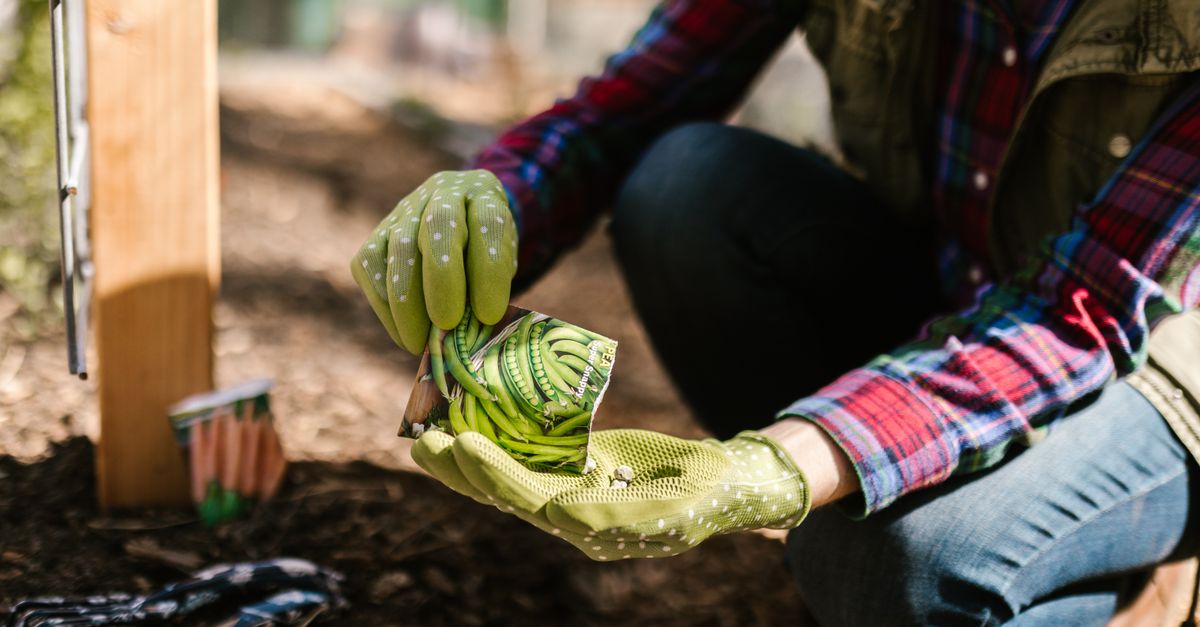
Seed packets and a handwritten planting schedule on a wooden table

A calendar copied from a book written for another latitude will mislead you more often than it helps. The same task, starting basil or moving lavender outside, lands on a different week depending on whether your winter is cold and short or mild and long. What follows is a way to read your own weather instead of trusting a fixed date.

Two clocks, one set of tasks

In a temperate garden, the year splits cleanly: a cold dormant stretch, a spring burst, a hot summer, and a slow autumn. Subtropical gardens rarely follow that shape. Heat arrives earlier, frost may never come, and the mild winter becomes a second growing window rather than a pause. The tasks stay the same, but their order and spacing change.

Starting herbs indoors

Aromatic herbs such as mint, chamomile, and thyme are usually started under cover while nights are still cool. In temperate zones that means late winter, with a windowsill or a sheltered tray. In subtropical zones the same sowing can happen weeks earlier, or be skipped entirely and done directly in a pot outdoors. Watch soil temperature rather than the month name.

Moving plants out and adjusting water

The move outdoors is where the two climates diverge most. Temperate gardens wait for the last frost to pass, then harden plants over a week or two. Subtropical gardens move earlier but face a different problem: summer heat that dries containers fast and pushes plants into shade by midday. Watering shifts from a weekly routine to a daily check, and afternoon shade becomes as important as sun.

Microclimates on balconies and patios

Wind, reflected heat from walls, and container size can move a sowing date by weeks. A balcony facing west collects heat long after the garden bed has cooled. A patio sheltered by a wall may hold warmth through a mild winter, letting you sow earlier than the regional calendar suggests. Treat each spot as its own small climate and adjust from there.

A Seasonal Planting Calendar for Temperate and Subtropical Gardens

The same seed packet can mean two different months depending on where you garden. These views show how the tasks move when a temperate spring and a subtropical mild winter are placed next to each other, and how small growing spaces change the timing again.

Seed packets and a handwritten planting schedule on a wooden table

Temperate timeline

Aromatic herbs started indoors while nights are still cold, then moved out once the last frost has passed. Summer heat pushes watering to early morning and late evening.

Seed packets and a handwritten planting schedule on a wooden table

Subtropical timeline

A mild winter opens a second growing window. Sowing shifts later in autumn and earlier in spring, and shade cloth matters more than frost protection.

Seed packets and a handwritten planting schedule on a wooden table

Balcony and patio microclimates

Wind, reflected heat from walls, and container size can move a sowing date by weeks. A pot against a warm wall behaves like a slightly warmer zone.

Read the three views together rather than in isolation. A temperate gardener checking the subtropical column will notice that the same herb is started at a different point in the year, and that watering and shade tasks swap places. On a balcony, the calendar is not only about the month but about which side of the building the pot sits on, how much sun it collects in the afternoon, and how quickly the container dries out. Adjust the dates by a couple of weeks in either direction and watch how the plants respond before committing to a fixed schedule.

A Seasonal Planting Calendar for Temperate and Subtropical Gardens

Questions about the temperate and subtropical timelines in this piece are welcome. If your sowing dates keep drifting from the table, tell us what your winter actually looks like: the lowest night temperature you recorded, how much direct sun the balcony gets in January, and whether the pots sit against a warm wall. That is the detail we can work with. A generic "it does not match my climate" is harder to answer, because two gardens in the same city can run two weeks apart.

Write to the editorial desk by email, or use the contact page if you prefer a short form. Reader questions about container drainage, substrate mixes, and indoor light are collected and passed to the agronomists and landscape designers we work with, then answered in later editions. We do not run accounts, bookings, or file uploads, so there is nothing to sign up for and no attachment to send.

How to get in touch

Postal address
José Hernández, Bahía Blanca, Buenos Aires, B8003APV, Argentina

Before writing, the guide center already answers many of the recurring questions about light, pots, and clay ground.

Prefer a form? The contact page takes reader questions directly.

A Seasonal Planting Calendar for Temperate and Subtropical Gardens

A few points are worth stating plainly before you copy any date onto your own schedule. The calendar in this piece is a framework for two broad climate types, not a prescription for a specific address. Two gardens in the same city can sit weeks apart in timing, and that gap is normal rather than a sign that something is wrong.

Temperate and subtropical are broad labels

Neither term describes a single set of conditions. A coastal temperate garden with mild winters behaves differently from an inland one with hard frosts, and a subtropical site at higher elevation can cool down more than the label suggests. Treat the two columns as starting points, then adjust to what your own ground and containers actually do.

Sowing windows, not fixed dates

Where the guide gives a month, read it as a window rather than a deadline. Starting aromatic herbs a week or two earlier or later rarely ruins a season. What matters more is soil temperature, night lows, and how quickly your site dries after rain. Those signals override any printed date.

Microclimates move the schedule

A balcony facing west collects reflected heat and can push a sowing date forward by weeks compared with a shaded patio a few meters away. Wind, wall proximity, and container size all shift timing. The calendar assumes open ground; containers on a small balcony need their own reading.

A mild winter is a second window, not a free pass

In subtropical zones, a mild winter can open a second growing period for herbs and leafy crops. That does not mean the same plants thrive year-round. Shorter daylight and slower growth still apply, and pest pressure often returns before temperatures do. Plan the second window with the same care as the first.

The editorial team works with agronomists and landscape designers on these questions, and the answers here reflect that collaboration. They are general guidance for home growers, not a substitute for observing your own site across a full season before committing to a fixed routine.

About this article

A Seasonal Planting Calendar for Temperate and Subtropical Gardens

This piece comes from the editorial desk at Healing Home & Garden, the bilingual magazine on growing aromatic and traditionally used plants at home, small balcony and patio gardens, home composting, and garden design that supports rest. The seasonal calendar work is not written in isolation: the editorial team works alongside agronomists and landscape designers, and their input shapes how the temperate and subtropical timelines are compared here.

The questions that shaped this article are the ones readers actually send in. When does a sowing date move because a balcony traps reflected heat? How much does container size shift a task by weeks? What changes when a mild winter opens a second growing window? Those are the practical threads running through the comparison, rather than a generic month-by-month list copied from another latitude.

Healing Home & Garden publishes seasonal growing profiles, sowing calendars adapted to temperate and subtropical climates, pruning guides, substrate and drip irrigation advice, and natural pest control with garlic, potassium soap, and neem oil. A Spanish-language version is available for Spanish-speaking readers. This article sits within that editorial scope, and the calendar logic it describes is meant to be adjusted to your own weather, not followed as a fixed script.

Questions about adapting the calendar to your climate can be sent to info@healinghomeandgarden.com.

Cookie notice Close

We use a cookie preference to remember your basic choice on this site. You can accept, reject, or close this notice.