Natural pest control

Natural Pest Control with Garlic, Potassium Soap, and Neem Oil

What each preparation actually does, and when it is the wrong tool
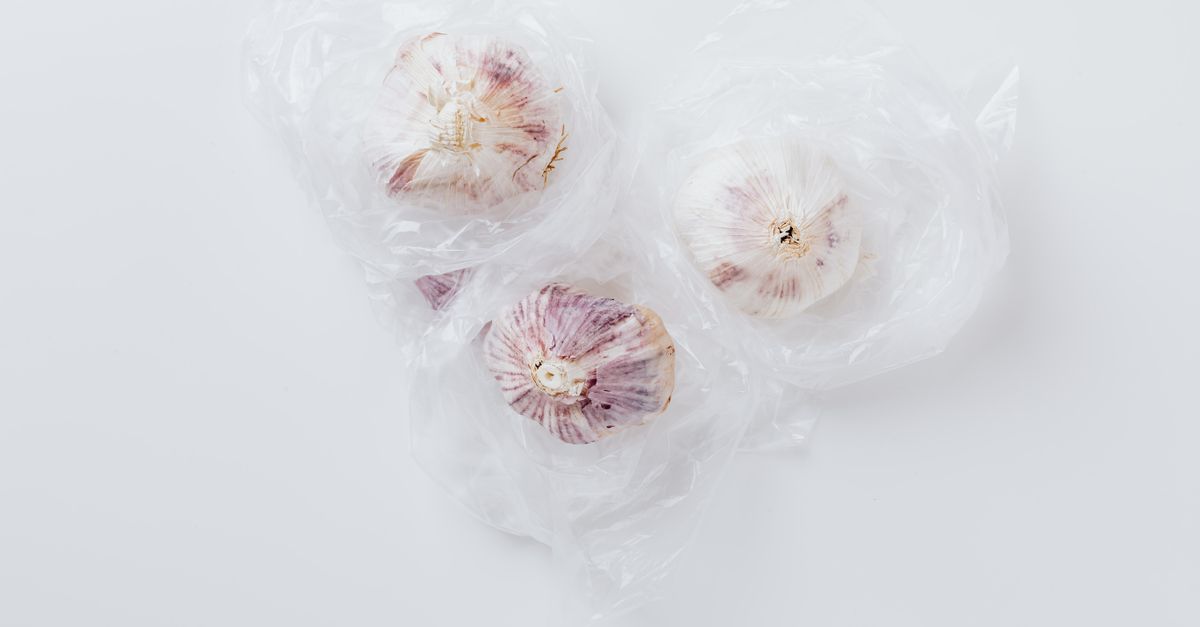
Spray bottle and fresh garlic cloves on a garden workbench

Walk into any garden center and you will hear the same three names offered as if they were one product: garlic, potassium soap, neem oil. They are not interchangeable, and treating them that way is the fastest way to spend a Saturday spraying and still find aphids on the mint the next morning. Each one has a job, a window, and a limit.

Garlic spray is a repellent first. It does not knock down an established colony; it makes a plant less appealing to insects that arrive looking for a meal. The catch is that the sulfur compounds responsible for that smell break down within hours, especially in sun and heat. A spray at dawn is mostly gone by afternoon. It works best as a short-term barrier around seedlings or as a rotation tool, not as a complete solution.

Potassium soap is the opposite: it does nothing unless it touches the insect directly. It strips the protective coating off soft-bodied pests such as aphids, whiteflies, and young scale, and they dry out. Miss the underside of a leaf and you miss the colony. Spray it in the cool part of the day, because soap on foliage under strong midday sun can scorch the leaf edges, and the damage looks a lot like the pest problem you were trying to solve.

Neem oil is slower and stranger. It does not kill on contact in most cases. It interferes with feeding and reproduction, so the effect shows up over days, not minutes. That also means it must be applied before a population explodes. It breaks down quickly in light and air, and it is not a good choice on open flowers where bees and other pollinators are working. Evening application, when most pollinators have stopped flying, is the safer habit.

The common mistake is mixing all three into one bottle and spraying everything at once. The result is usually a wet plant, a stressed leaf surface, and no clear answer about what worked. Pick the preparation that matches the pest and the moment, apply it properly, and give it a few days before judging. If you are still deciding what to grow in the first place, our notes on reading clay soil before you plant cover the ground-level questions that come before pest season.

More from the magazine: browse all articles or send a question to info@healinghomeandgarden.com.

Natural Pest Control with Garlic, Potassium Soap, and Neem Oil

Garlic, potassium soap, and neem oil are not interchangeable. The images below follow the article's main thread: what each preparation looks like in practice, and where it stops being the right tool.

Spray bottle and fresh garlic cloves on a garden workbench

Garlic preparation

A repellent first, not a killer. It fades within days, so it belongs on new growth before pests settle in, not on an established infestation.

Spray bottle and fresh garlic cloves on a garden workbench

Potassium soap

Works only where the spray touches the insect. Soft-bodied pests on leaf undersides are the target; strong midday sun on wet leaves is the risk.

Spray bottle and fresh garlic cloves on a garden workbench

Neem oil

Interferes with feeding and reproduction, then breaks down quickly. Timing matters more than dose, and flowering plants need to be left alone.

The most common mistake is spraying all three at once and reading the result as a single outcome. Each preparation has its own window, its own contact requirement, and its own way of failing. Applied separately, with notes on what was used and when, the garden tells you which one actually did the work.

Natural Pest Control with Garlic, Potassium Soap, and Neem Oil

If something in this piece on garlic spray, potassium soap, or neem oil does not match what you see on your own plants, write to the editorial desk. Readers often send in photos of leaf burn after a soap spray in full sun, or describe a garlic mix that stopped working after two days. Those details are useful, because the answer usually depends on the pest, the plant, and the hour you applied it, not on a single recipe.

Email the editors

Describe the plant, the pest you saw, and how you prepared the spray. Mention whether the leaves were wet or dry when you applied it.

info@healinghomeandgarden.com

Call the desk

For a short question about dilution, timing, or which preparation suits a soft-bodied insect, a phone call is often faster than writing.

+54 9 11 0565 9191

Before you write

The questions we receive most often are already covered in the guide center: how to tell a repellent from a contact spray, why neem oil should stay away from open flowers, and how to test a mix on one leaf before treating a whole container. Reading those notes first usually saves a round of messages.

Browse the guide center · Send a reader question

Postal mail reaches the editorial office at José Hernández, Bahía Blanca, Buenos Aires, B8003APV, Argentina. Letters are read alongside email, though replies depend on how many reader questions are waiting. For anything urgent about a plant in trouble, email is the better route.

Natural Pest Control with Garlic, Potassium Soap, and Neem Oil

Before mixing anything in a spray bottle, it helps to be clear about the limits. Garlic, potassium soap, and neem oil are not a single remedy with three names, and none of them replaces the slower work of observation. The notes below set the boundaries that the rest of the article assumes.

Not interchangeable

A garlic preparation repels more than it kills, and its effect fades within days. Potassium soap only works where the spray touches the insect. Neem oil acts slowly on feeding and reproduction. Substituting one for another because the bottle was empty usually ends with a pest that was never actually treated.

Not a preventive routine

Spraying on a fixed weekly schedule regardless of what is on the leaves is the most common mistake in balcony gardens. These preparations are responses to a specific problem, not a habit. If nothing is feeding on the plant, there is nothing to spray for.

Not safe in every condition

Potassium soap can scorch leaves under strong midday sun. Neem oil should stay away from open flowers where pollinators are working. Garlic spray on a hot afternoon can mark tender growth. Timing and weather matter as much as the recipe.

Not a substitute for the cause

Repeated infestations usually point to something else: overcrowded containers, poor airflow, overwatering, or a plant already stressed by the wrong light. Treating the visible insects without changing those conditions brings them back within a couple of weeks.

The article keeps to these boundaries. Where a preparation is the wrong tool, it says so plainly instead of offering a workaround.

Editorial attribution

Natural Pest Control with Garlic, Potassium Soap, and Neem Oil

This article was prepared by the Healing Home & Garden editorial team, the group behind the magazine's seasonal growing profiles, sowing calendars, pruning guides, and natural pest-control notes. The team works with agronomists and landscape designers, and the questions they answer most often about container drainage, clay soils, and indoor light shape how these pieces are written. The comparison of garlic spray, potassium soap, and neem oil came out of that same back-and-forth: readers kept asking why a single spray did not solve every problem on a balcony, and the answer was that the three preparations are not doing the same job.

The material here is practical rather than promotional. It describes what each preparation does, when it is the wrong tool, and where the common mistakes happen, such as spraying in strong midday sun or applying neem oil while pollinators are active. No external profiles, credentials, or personal histories are attached to this byline, because none are part of the magazine's published record. If a detail in the article does not match what you see on your own plants, treat it as a starting point and adjust to your climate, container size, and the pests actually present.

Healing Home & Garden is a bilingual digital magazine about growing aromatic and traditionally used plants at home, small balcony and patio gardens, home composting, and garden design that supports rest.

Cookie notice Close

We use a cookie preference to remember your basic choice on this site. You can accept, reject, or close this notice.